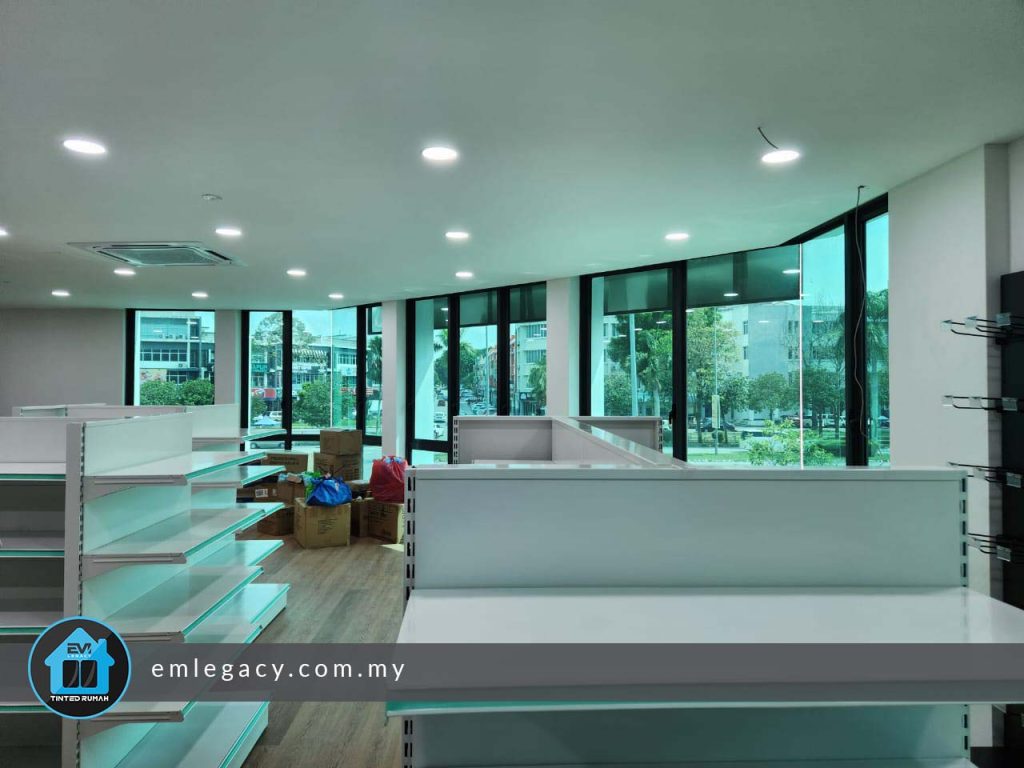
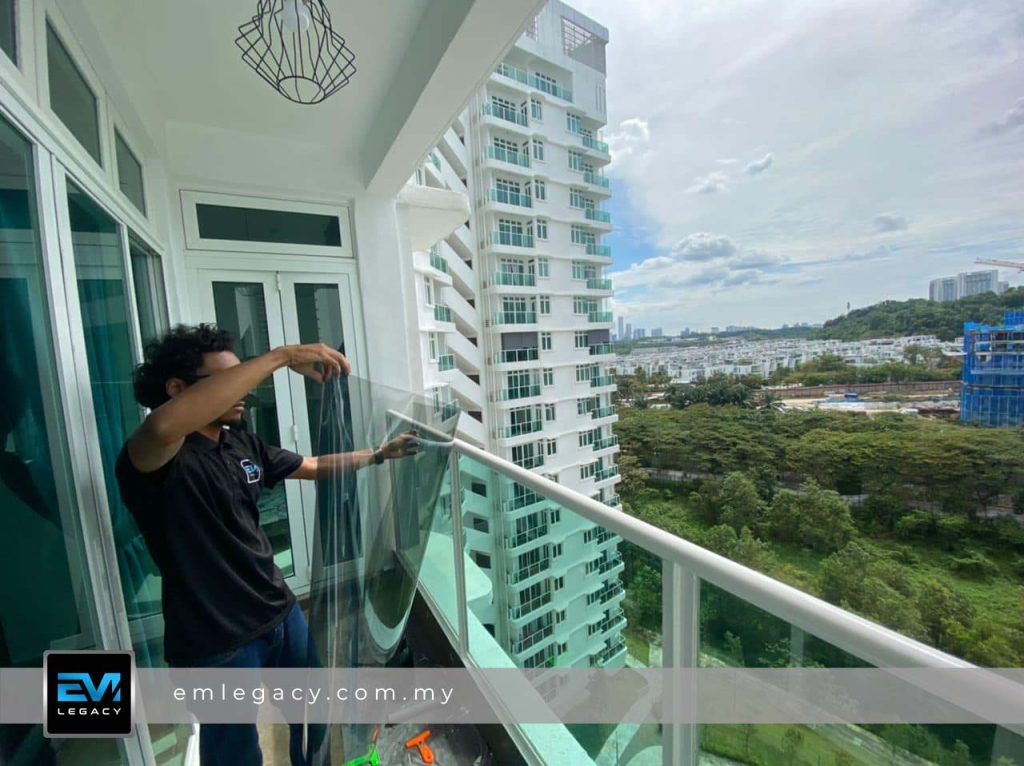
Industrial tint installation refers to the process of applying specialized window films to the windows of industrial and commercial buildings. These window films are designed to serve multiple purposes, ranging from improving energy efficiency to enhancing security and privacy. Here’s a detailed description of industrial tint installation:
1. Purpose and Benefits: Industrial tint installation is a versatile solution aimed at addressing various needs of industrial and commercial properties. It offers several key benefits, including:
Energy Efficiency: Industrial window tinting helps reduce heat gain, keeping the interior cooler during hot weather and reducing the load on HVAC systems. This, in turn, leads to energy savings and lower utility bills.
UV Protection: Tinted films block a significant portion of harmful ultraviolet (UV) rays, protecting occupants, furnishings, and equipment from UV damage and fading.
Glare Reduction: Glare from the sun can disrupt productivity and create discomfort for employees. Tinted films can effectively reduce glare on screens and workspaces.
Privacy and Security: Some films offer privacy by obscuring the view from outside while maintaining visibility from the inside. Additionally, security films reinforce windows, making them more resistant to break-ins and vandalism.
Aesthetics: Industrial tinting can enhance the appearance of a building’s exterior, giving it a modern, uniform look while maintaining natural light levels.
2. Installation Process: Industrial tint installation is a professional service typically carried out by experienced technicians. The process generally includes the following steps:
Surface Preparation: The windows are thoroughly cleaned and dried to ensure a clean, smooth surface for film adhesion.
Film Selection: Depending on the specific goals of the project, the appropriate type of window film is chosen. This can include solar control films, privacy films, security films, or a combination of these.
Precise Cutting: The film is precisely cut to fit each window pane, ensuring a seamless and professional appearance.
Application: Technicians use specialized tools and techniques to apply the film to the interior or exterior of the windows, depending on the film type and building design.
Trimming and Squeegeeing: Excess film is trimmed, and a squeegee is used to remove air bubbles and ensure a smooth, even application.
Curing: The adhesive on the film needs time to cure and adhere fully to the glass. This process may take several days, during which the film may appear slightly hazy.
3. Maintenance and Durability: Industrial window films are designed to be durable and low-maintenance. However, regular cleaning and care can extend their lifespan and maintain their effectiveness.
4. Compliance: It’s essential to ensure that the chosen window tint complies with local building codes and regulations. Some areas have restrictions on the darkness of window films, especially on ground-level windows for safety reasons.
In conclusion, industrial tint installation is a valuable investment for industrial and commercial properties, offering numerous benefits ranging from energy savings to improved security and aesthetics. When done professionally, it enhances the functionality and appearance of a building while providing long-term value.
Residential Tint Installation
Residential tint installation involves the application of specialized window films to the windows of homes and private residences. These window films serve a variety of purposes, ranging from energy efficiency and privacy to UV protection and aesthetics. Here’s a detailed description of residential tint installation:
1. Purpose and Benefits: Residential tint installation offers numerous advantages for homeowners, making it a popular choice for enhancing the comfort, energy efficiency, and overall quality of life in a home. Key benefits include:
Energy Efficiency: Residential window tinting helps reduce heat gain in the summer and heat loss in the winter, resulting in more comfortable indoor temperatures and lower energy bills. It can also decrease the load on heating and cooling systems.
UV Protection: Tinted films block a significant portion of harmful ultraviolet (UV) rays, protecting occupants and furnishings from UV damage, including fading of furniture, flooring, and artwork.
Glare Reduction: Glare from the sun can be bothersome and affect the enjoyment of indoor spaces. Tinted films effectively reduce glare, making rooms more comfortable for activities such as watching TV or working on a computer.
Privacy: Some residential window films provide privacy by obscuring the view from the outside while maintaining visibility from the inside. This is particularly beneficial for street-level or close-proximity homes.
Security: Security films can reinforce windows, making them more resistant to break-ins and providing an extra layer of protection for your home.
Aesthetics: Window tinting can enhance the curb appeal and overall appearance of a home, giving it a modern and uniform look while allowing natural light to enter.